
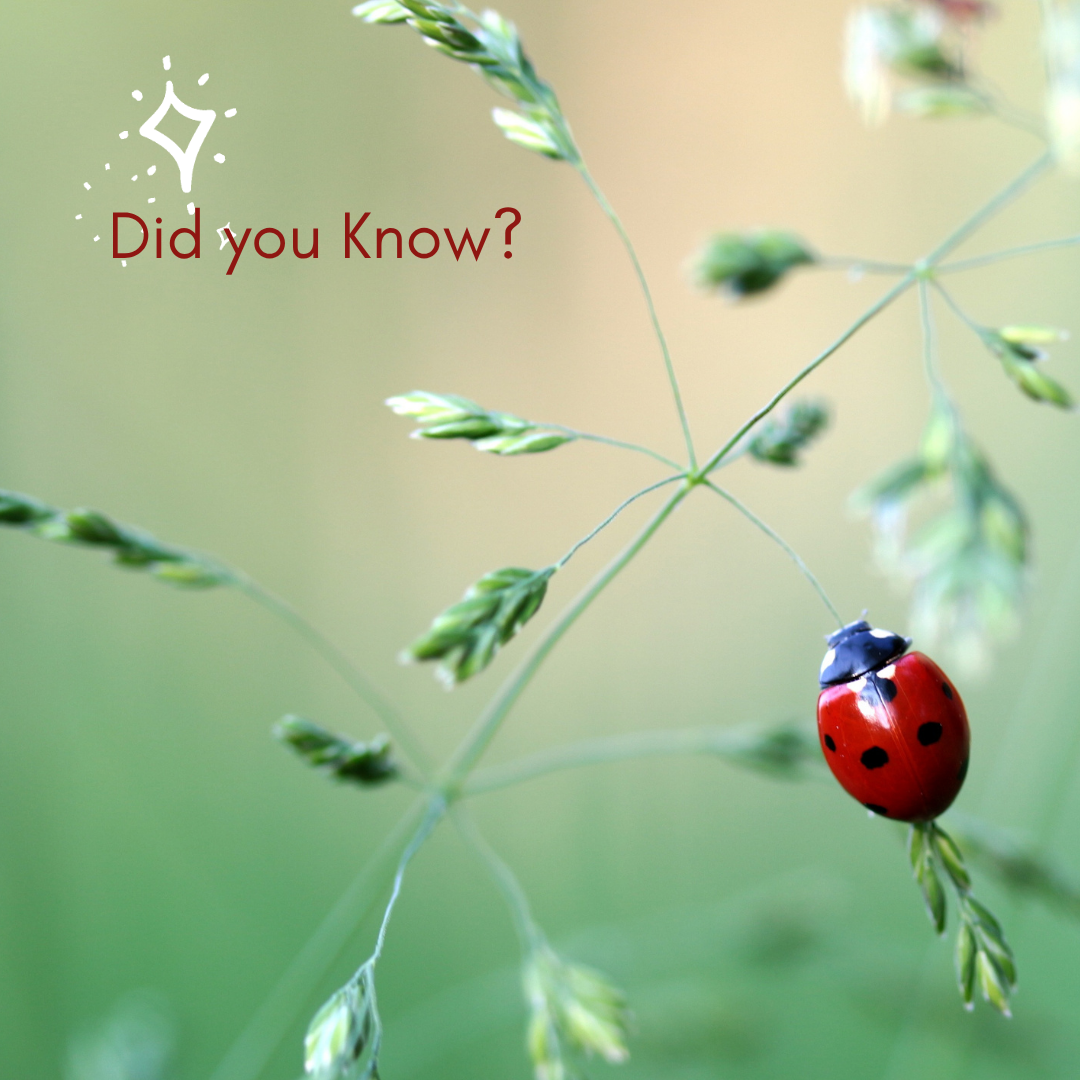
At Lancaster Landscapes, we believe the healthiest landscapes are the ones that work with nature, not against it. That philosophy is at the heart of our green and eco-sensitive practices — including one of our favorite tools in the fight against garden pests: ladybugs.
A Natural Approach to Pest Management
Depending on the size of a property, we typically release between 1,500 and 4,500 beneficial native ladybugs. These small but mighty insects are a key part of how we keep landscapes healthy without relying heavily on chemical treatments. In Cameron station alone we release 6000 between the master and sub-associations.
Meet Hippodamia convergens
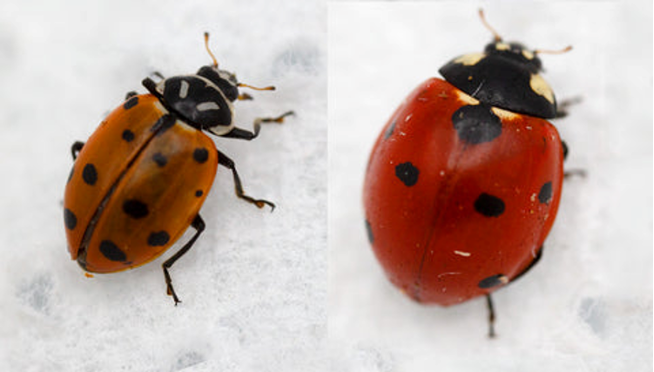
The species we release is Hippodamia convergens, a ladybug native to the United States. You can identify it by the two white lines behind its head that converge — a distinguishing feature that sets it apart from non-native look-alikes like the multicolored Asian lady beetle (Harmonia axyridis) and the European seven-spotted ladybug (Coccinella septempunctata).
Small Bug, Big Appetite
Our ladybugs are locally sourced and act as a natural form of pest control. Each one can consume up to 50–60 aphids per day, along with scales, mealybugs, leafhoppers, mites, and other soft-bodied insects and larvae. That's a serious dent in the pest population — all without a single chemical spray.
Part of a Bigger Picture
Releasing ladybugs integrates seamlessly into our Integrated Pest Management (IPM) program, helping us cut back on chemical applications while supporting a healthy, environmentally friendly ecosystem.
At Lancaster, our goal is simple: to build and maintain a thriving landscape throughout your community. Putting beneficial insects like ladybugs to work is just one of the many ways we make that happen. Find out more about us at https://www.lancasterlandscapes.com.
Follow